 en
 de
On November 10-15th, 2026, IFIS has celebrated the 10th anniversary of its Online Colloquium, which was held for the first time in November 2016.
As part of a hybrid summit experience, we have hosted two Anniversary Colloquiua, one public and one for members only, as well as an in-person retreat for members in the Black Forest.
The public event attracted up to 37 people, many of whom long-standing colleagues and friends. Claude summarized the session as "a celebration that was mostly a loving critique":

We especially liked the conclusion: "At an anniversary of integral studies, most of the panel questioned core parts of integral theory: tiers, quadrants, ladders. Yet the mood was warm and 'like a family meeting'. A field that can criticise its founding framework this openly and still feel like family has grown up in an important way."
The conversation was kicked off by five panelists we had invited to share their perception of the field of integral studies (Jonathan Reams, Hilary Bradbury, Mark Edwards, Anne Caspari and Jeremy Wakeford).
All of their mini-keynotes reflected the years long, very personal journey of our speakers most of which somehow converged on some core insights and trends, for example:
- From (meta)theory to embodied practice, from integral theory to "integral" as a way of being and relating: Almost everyone moved the centre of gravity away from the model and towards how people show
up: caring about how people behave more than what they believe; leaving nothing out, and being committed to one's own integrity; being an integrative person in and for the world; putting real-world challenges ("the world is burning") before theoretical endeavors. - The images changed from building to ecology: The old language was architecture: maps, tiers, ladders, quadrants, the "Kosmic address". The new language came from nature: landscape and succession, compost and mycelium, descent, water and ice, fleeing the building into the woods,
islands. Nobody planned this, but it may be the clearest sign of where the field's imagination is going: from "up" to "down and around", from building to growing. - Success might mean the label fades: One member asked whether IFIS should aim to become obsolete. Another joked "imagine there's no integral". A third wished for integral as the "new normal at universities". Put together, the deepest success might be that the quality spreads while the word "integral" fades. - A real strategic question, not only a joke.
- Turning rigor and embodiment into allies, pushing against the same thing: abstraction cut loose from reality. How can we combine empirical rigor and embodied rigor in one research approach? Both kinds of rigor check the map against the territory, one through data and one through lived experience.
To continue the conversation, we are hosting a Follow-up call as a cocreative playground on December 9, 2026.
The internal anniversary colloquium on the next day built up on this conversation with an additional focus on strategic considerations, inviting new possibilities and bigger dreams ;-).
We discussed questions like
- What is IFIS in service of in the emerging future, and where does it sit among the change strategies (missionaries, warriors, entrepreneurs, lovers, storytellers)?
- How do we keep both developmental science and the move beyond stages without throwing the baby out with the bathwater?
- What is IFIS's infra-practice? Which infrastructures, practices or pattern languages could it help build?
- Where is the energy for each of us, and what would IFIS need (people, money, partners) to do more?
- How do we hold the source role and shared ownership together?
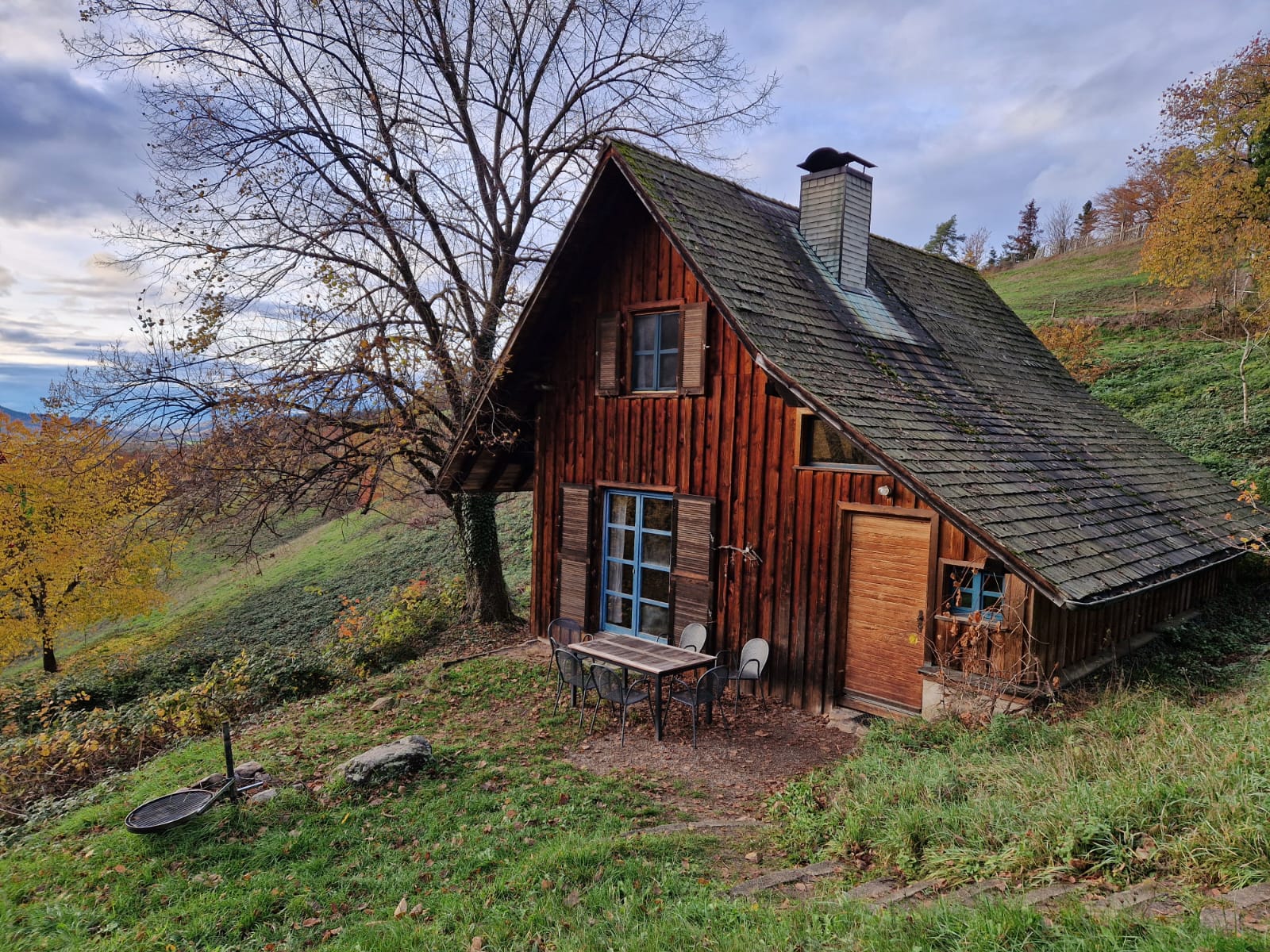
In the subsequent members retreat, we deepened some of these questions, updating our vision statement and defining numerous strategic moves for the years to come. Our vision now reads:
IFIS is a co-creative global network and incubator, grounded in Europe, bringing together systemic thinkers, researchers and practitioners who are committed to integral approaches to real-world challenges, catalysing the flourishing of all beings and planet Earth.
On thing was very clear as a result of this hybrid summit: Integral Studies are needed more than ever - and we need them in their most mature, most embodied, hands-on version that includes the intelligence of head, heart and gut in the best of ways!